How to photograph rice grains for counting
- 1
Put white rice on a dark background
Milled rice is pale and slightly translucent, so use black or dark blue paper or cloth. On a white plate the grains fade into the background.
- 2
Spread the grains thin
Rice grains are small and slide into lines and clumps. Spread the sample until the grains lie flat in one layer with gaps between most of them.
- 3
Get close and keep it sharp
Fill the frame with the sample and tap to focus. If the grains are only a few pixels wide the count becomes unreliable, so split a large sample into several photos.
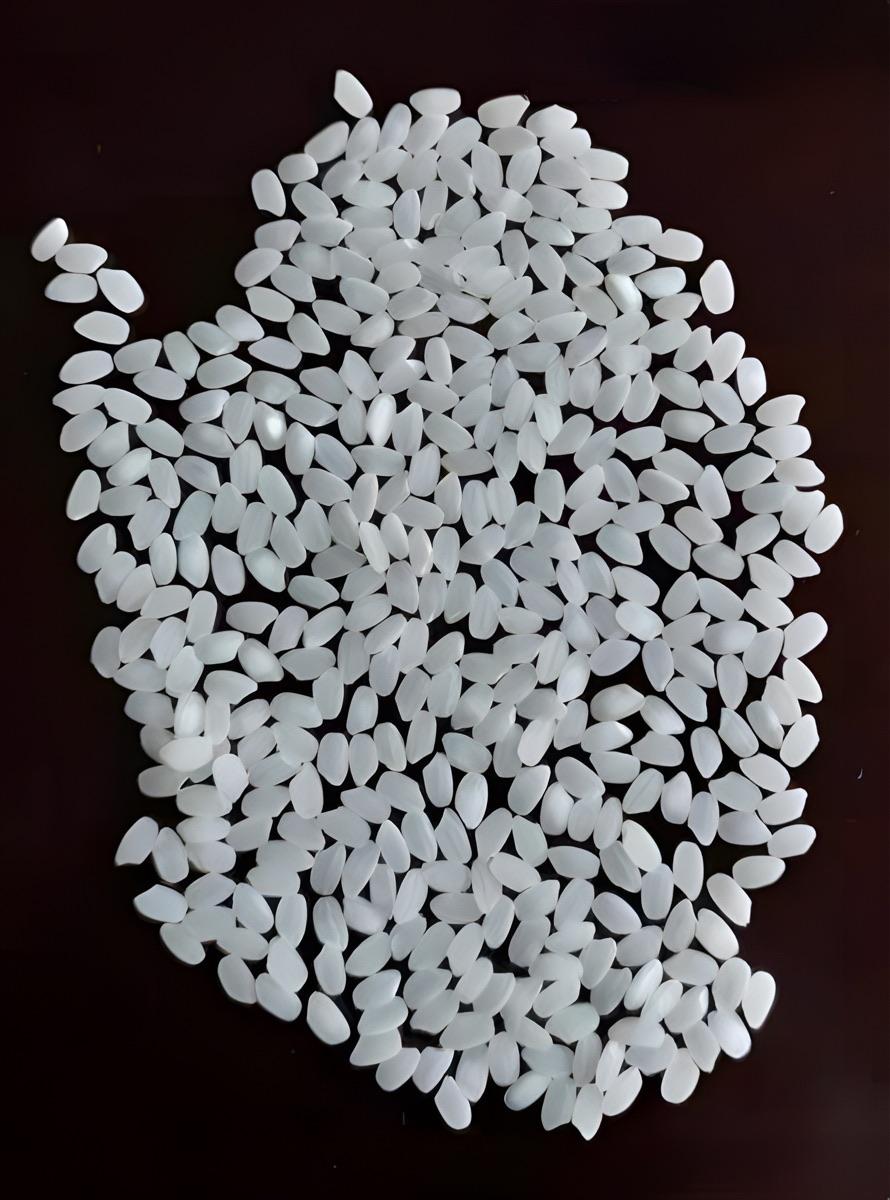
Photo example
White rice on a black background, where each grain stands out clearly.
The tool's sample opens saved example markers; uploading your own photo runs a new count.
401 rice grains are marked in the tool's sample photo.
When to count rice grains from a photo
Rice breeders, seed labs and mills count grains for thousand-grain weight, to work out the share of broken grains in a hand-sorted sample, and when comparing varieties in a trial. Teachers and students also use it to find out how many grains are in a spoonful. Spread the sample, photograph it from above, check the markers and save the image with the total and the date.
Questions about counting rice grains
How do I count rice for thousand-grain weight?
Count a sample from a photo, weigh the same grains and scale the weight to 1,000 grains. For example, if 400 grains weigh 8 g, the thousand-grain weight is 20 g. Check the markers before you weigh, since each miscounted grain changes the result.
How many grains of rice are in a gram or a cup?
It varies with the variety and how the rice was milled. To find out for your rice, weigh a small sample, count it from a photo and divide; then scale up to the weight of a cup.
Does it work for brown rice or paddy?
Try brown rice with this page on a background that contrasts with its colour, and check the markers. Rice still in the husk has its own type, Paddy rice, in the object picker.
More counting guides
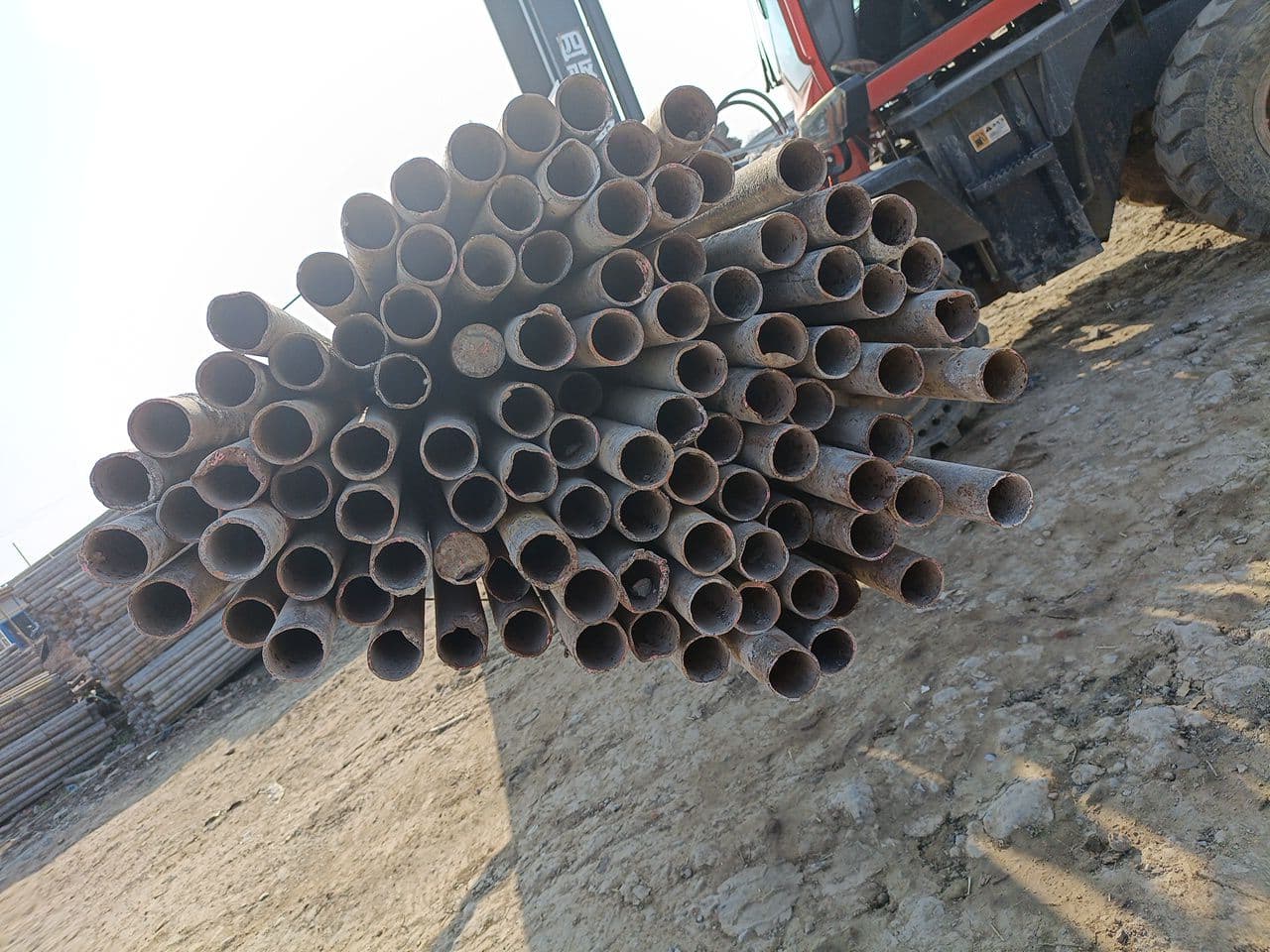 Steel pipesFace the pipe endsOpen counter & guide
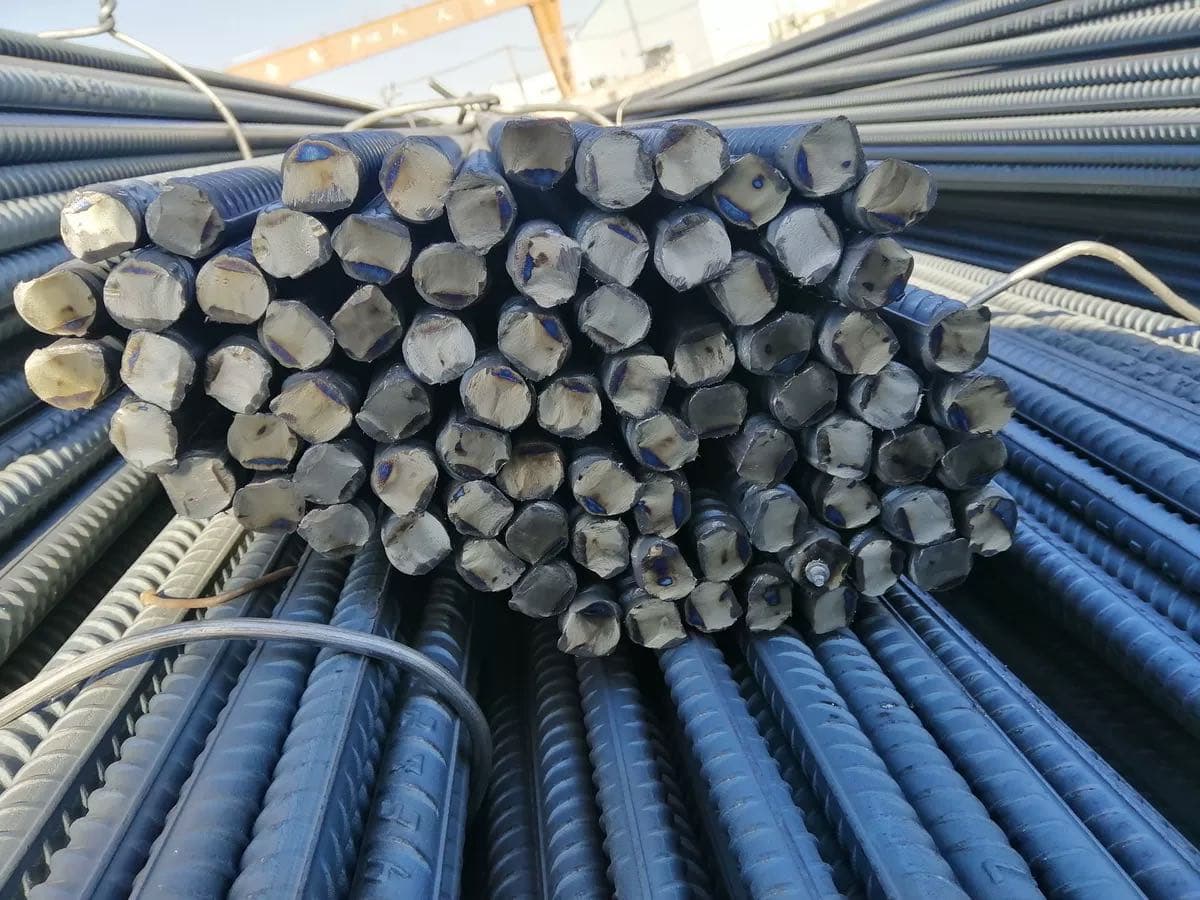 RebarPhotograph the cut endsOpen counter & guide
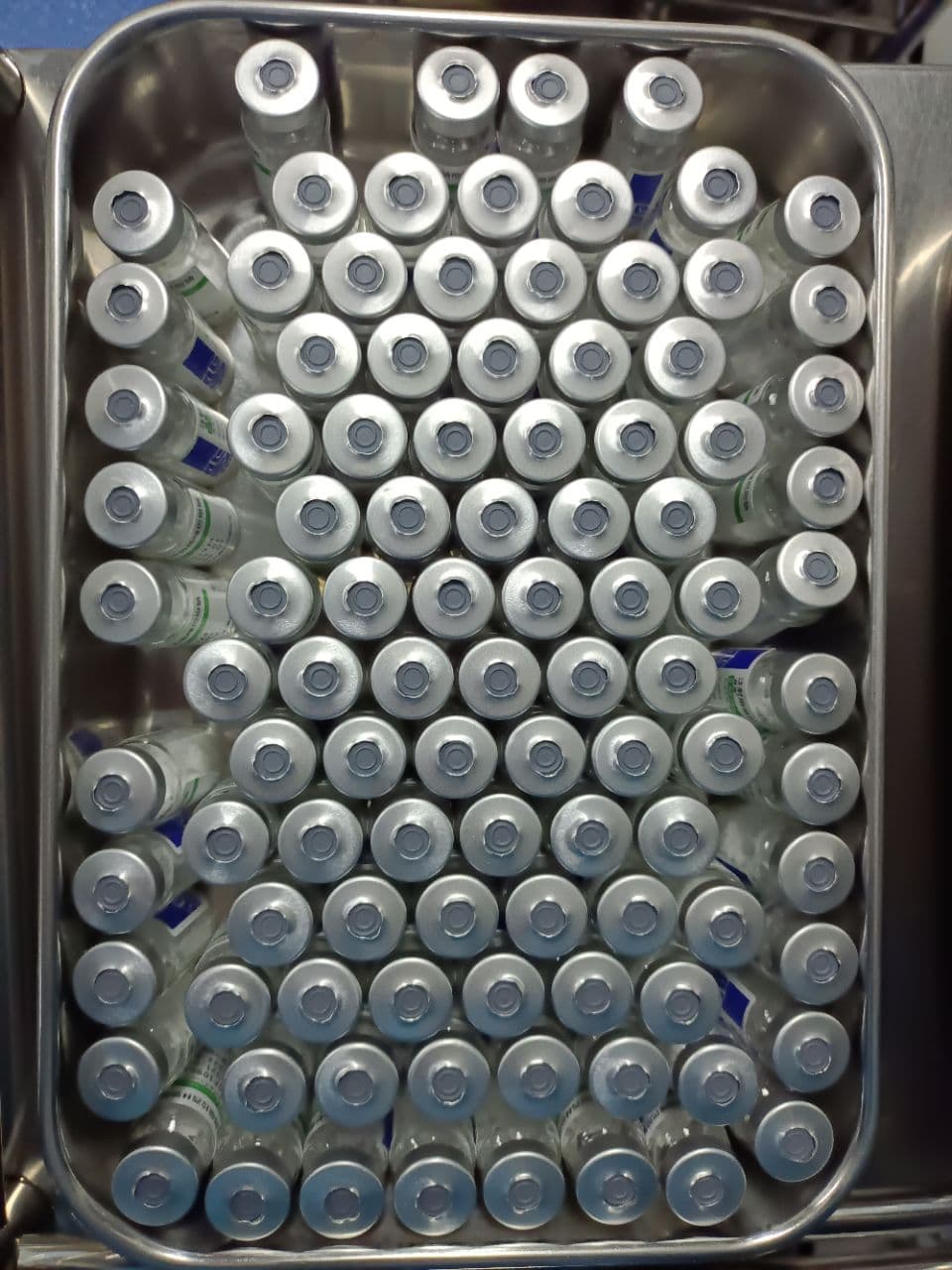 VialsShow one visible layerOpen counter & guide
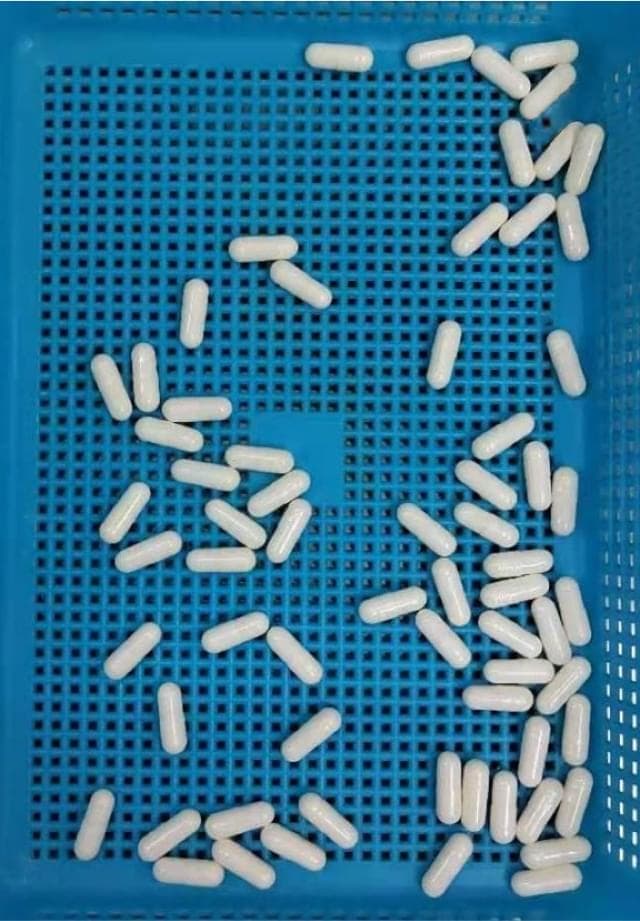 CapsulesSeparate touching capsulesOpen counter & guide
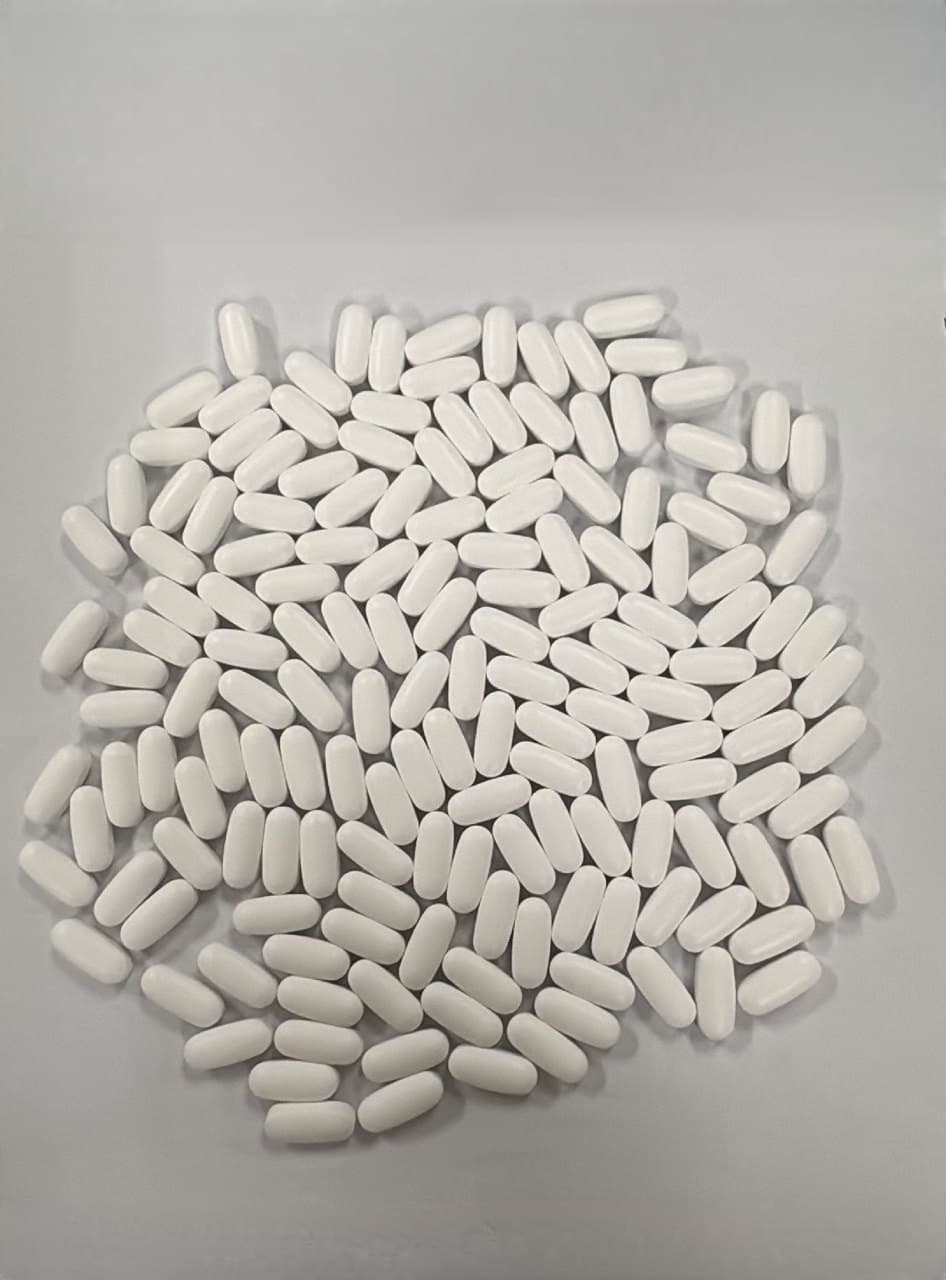 TabletsMake a single layerOpen counter & guide
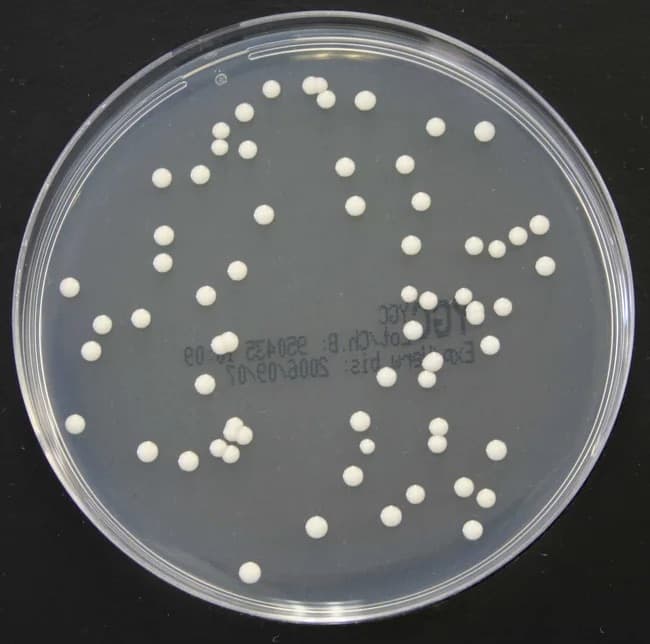 Bacterial coloniesPhotograph the plate from aboveOpen counter & guide
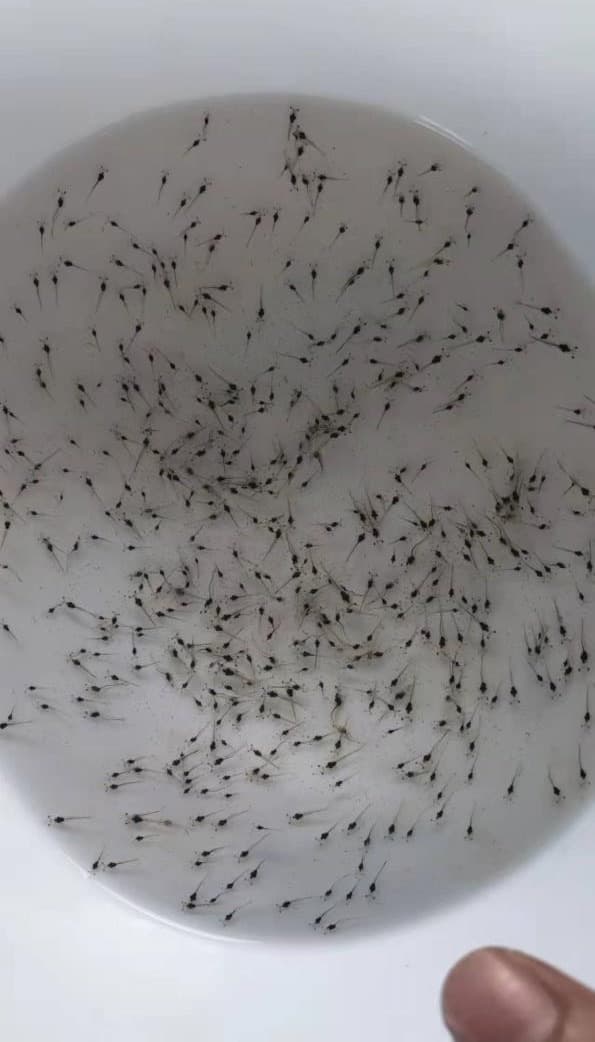 Shrimp larvaeUse a shallow white basinOpen counter & guide
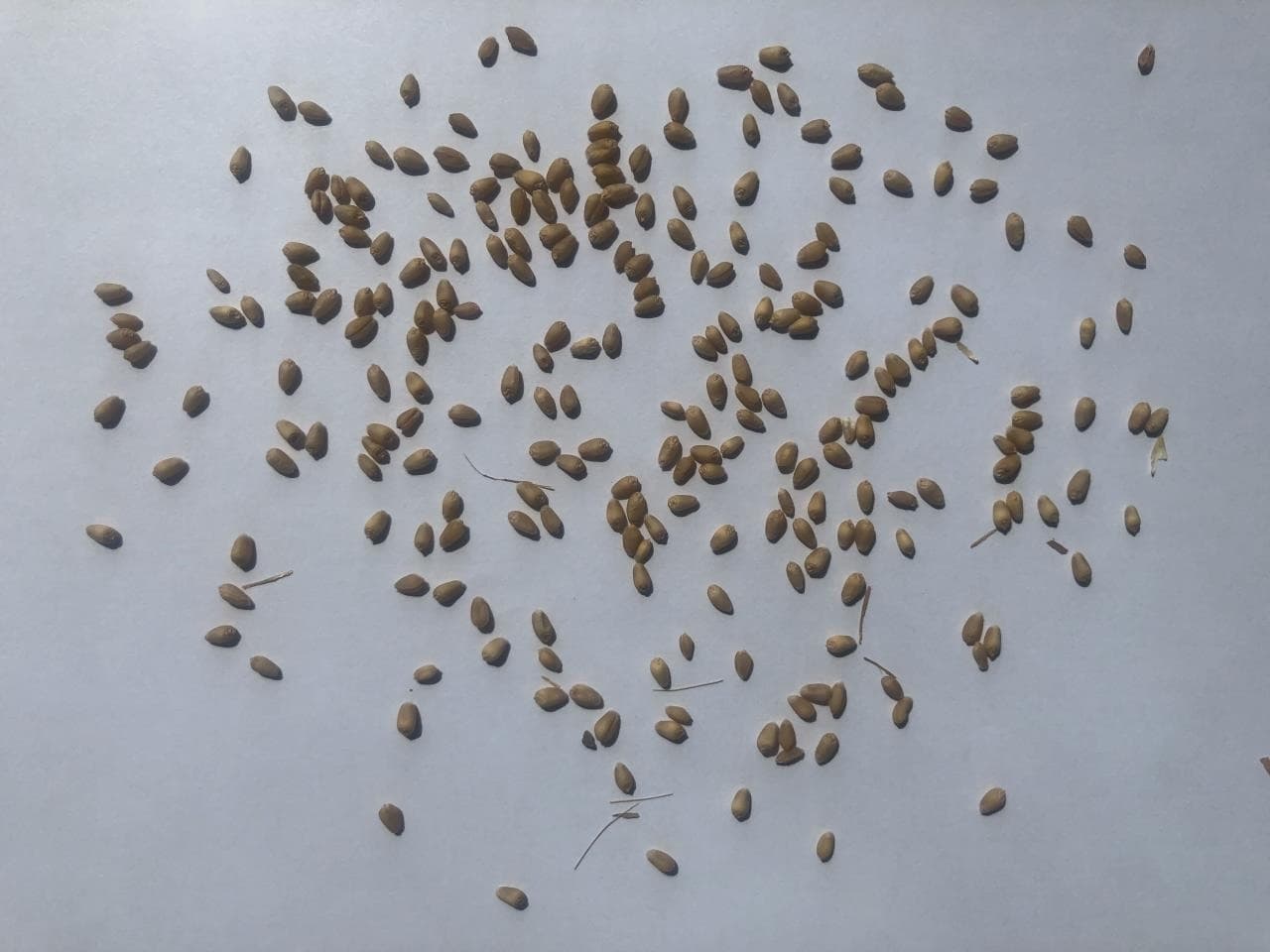 SeedsSpread the seeds in one layerOpen counter & guide
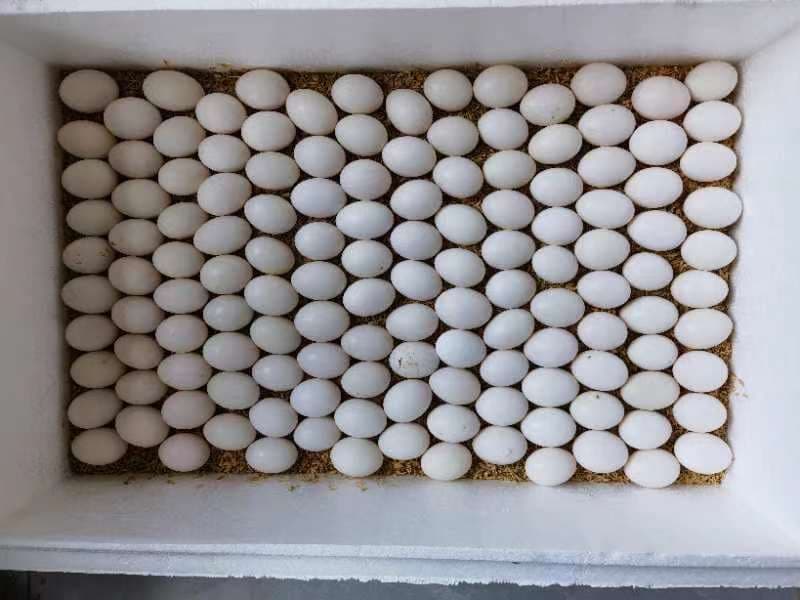 EggsShoot from directly aboveOpen counter & guide
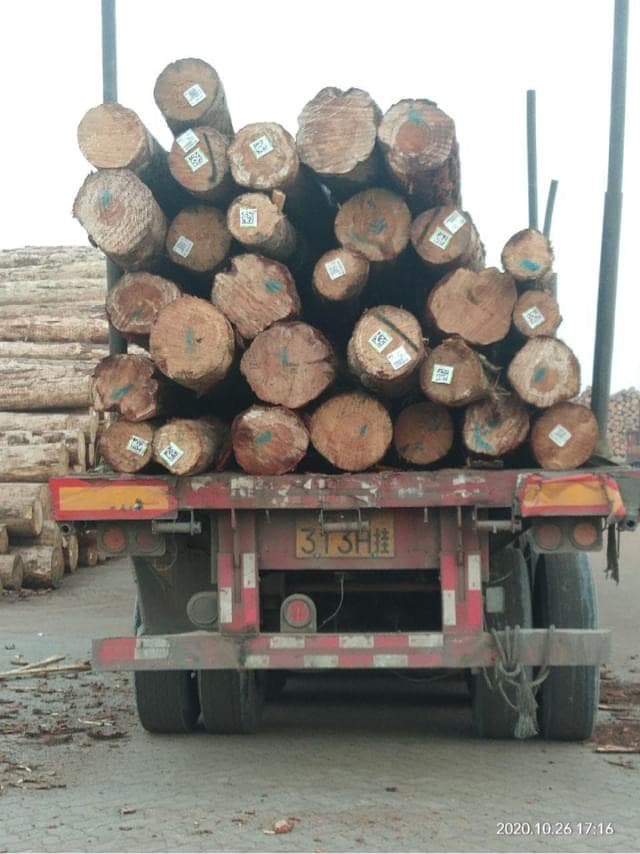 LogsFace the cut endsOpen counter & guide
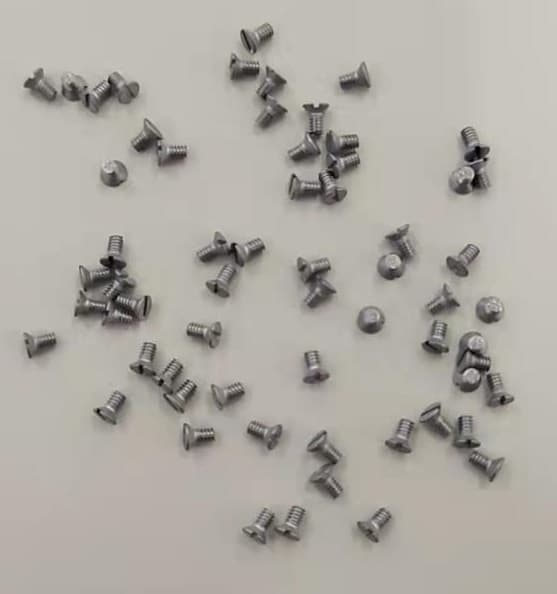 ScrewsSpread them outOpen counter & guide
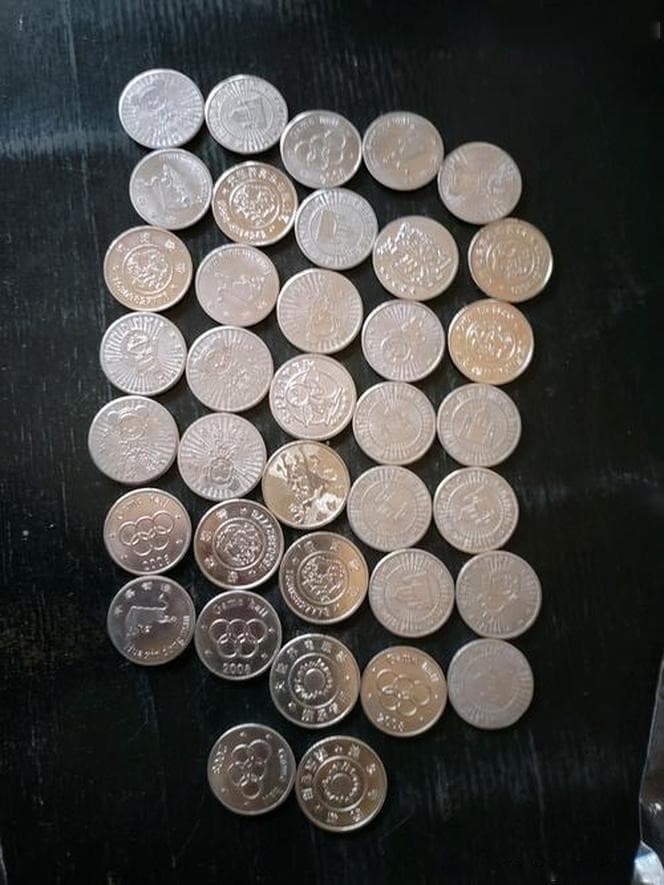 CoinsLay the coins flat in one layerOpen counter & guide
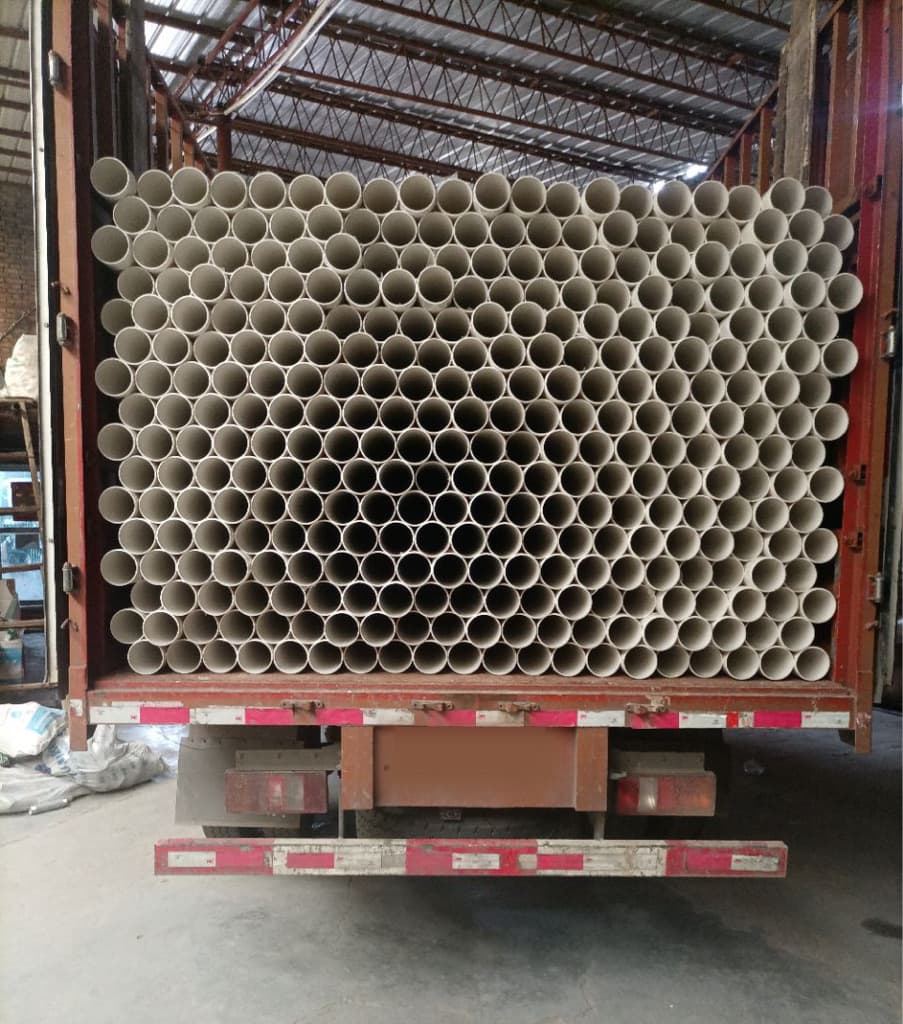 PVC pipesShoot the open ends straight onOpen counter & guide
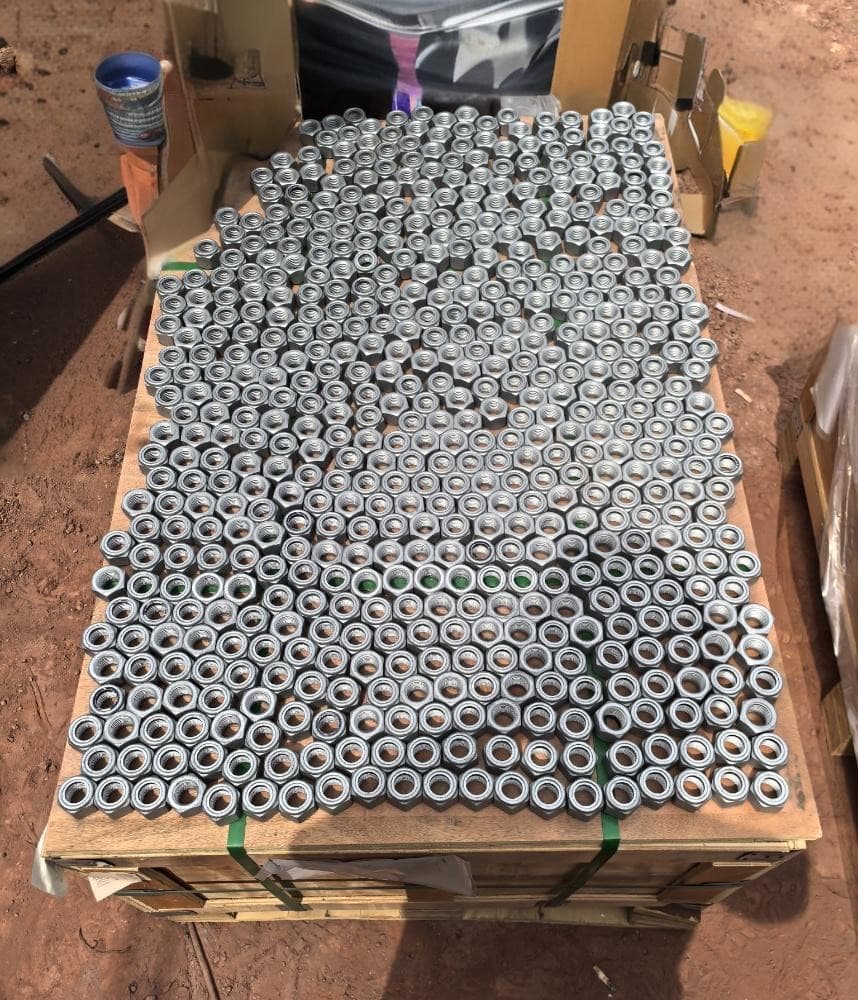 NutsLay them flat in one layerOpen counter & guide
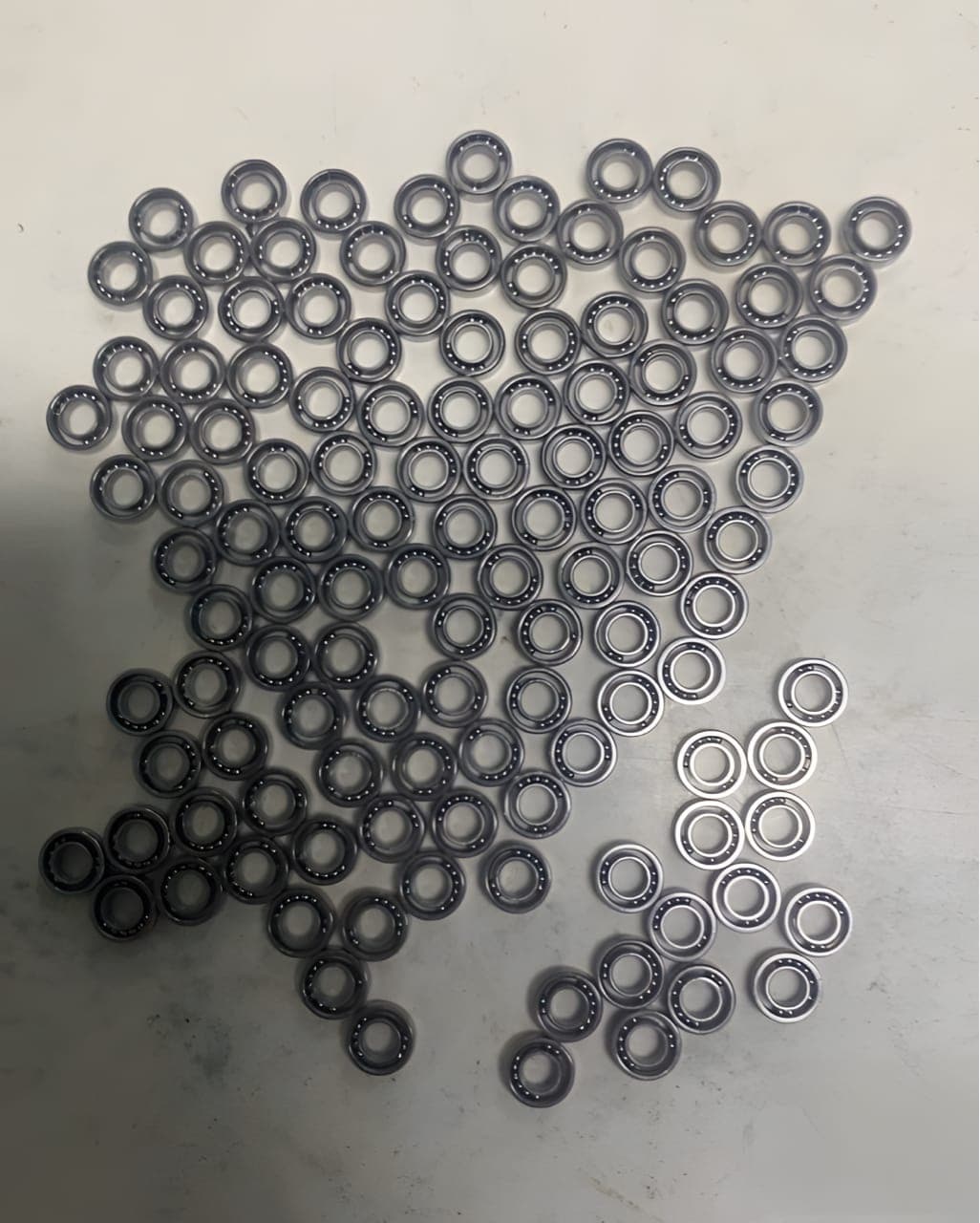 BearingsLay them flat in one layerOpen counter & guide
 PeopleGet every head in viewOpen counter & guide
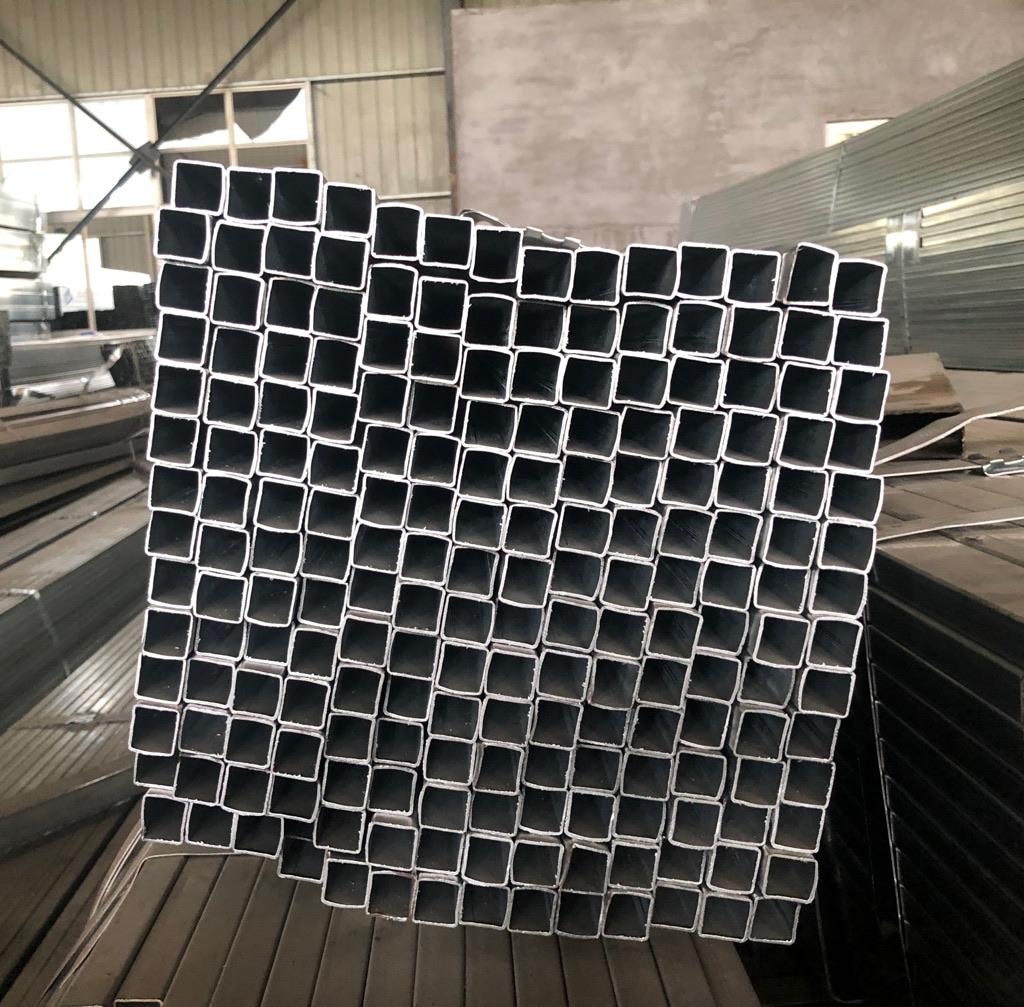 Square tubesFace the open endsOpen counter & guide
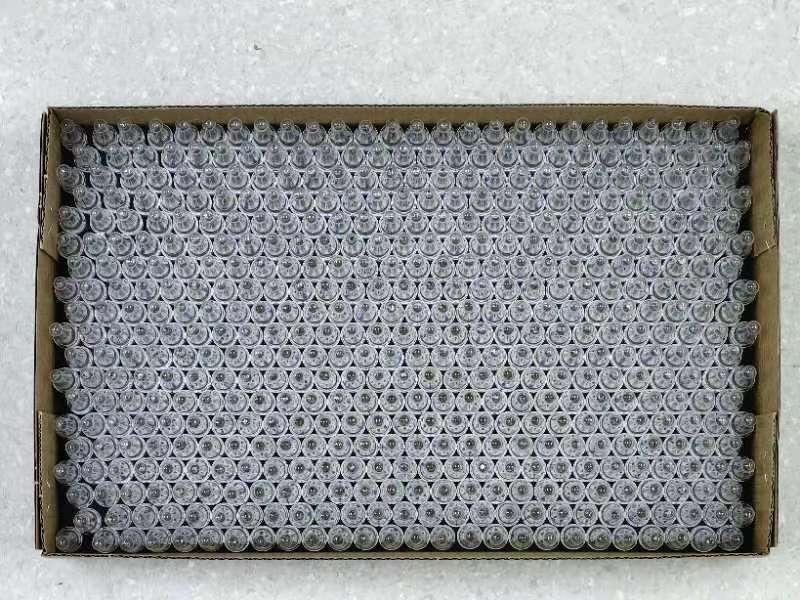 AmpoulesShoot straight down on the tipsOpen counter & guide
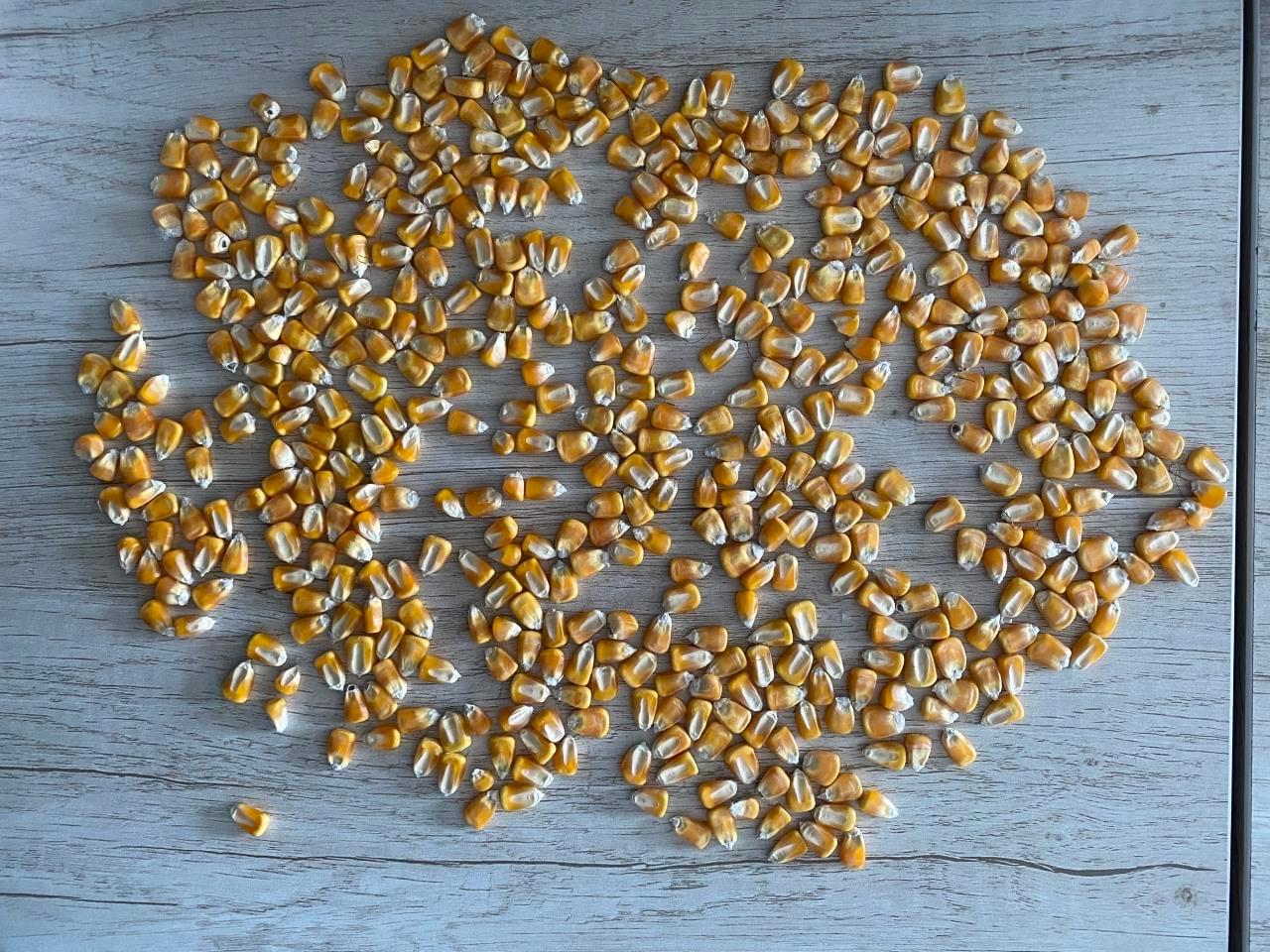 Corn kernelsSpread the kernels in one layerOpen counter & guide
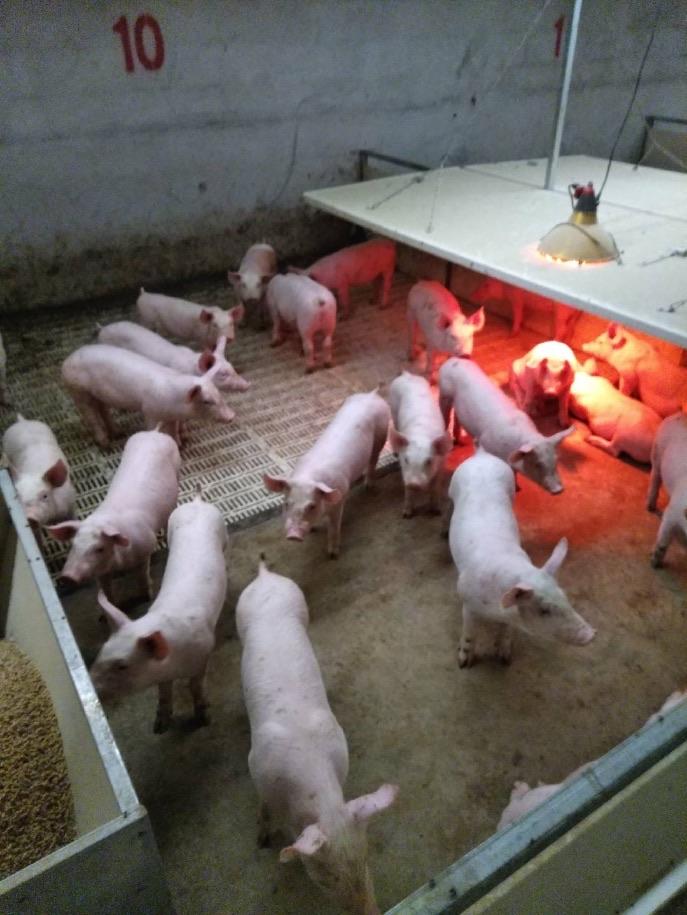 PigsShoot from above the penOpen counter & guide
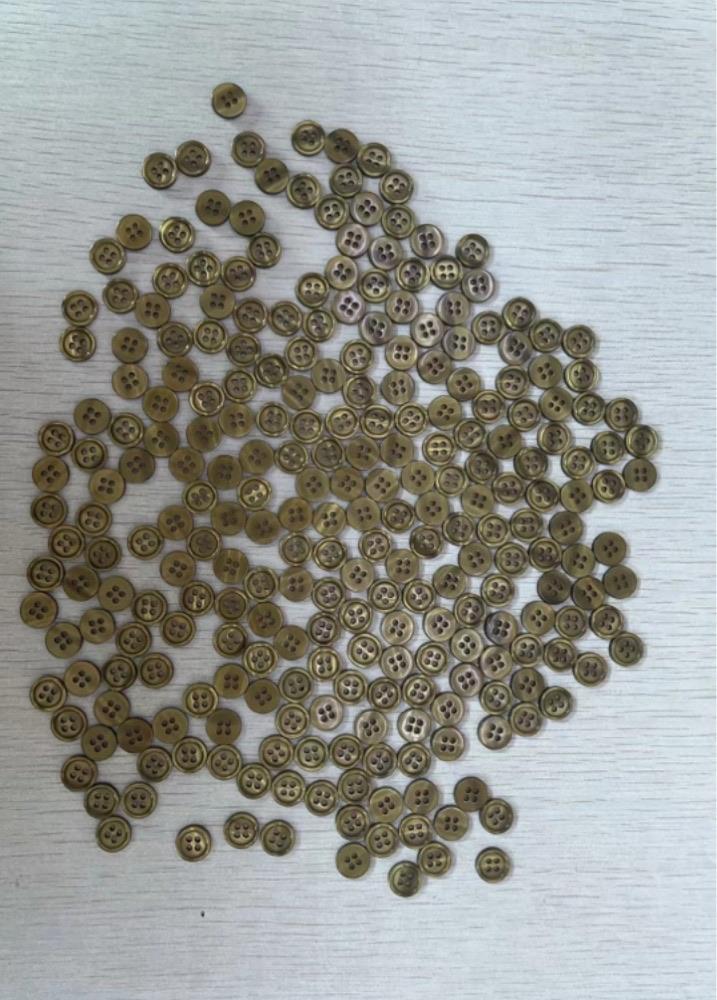 ButtonsLay the buttons flat in one layerOpen counter & guide